| Guide TypeKitchen Guide | Read Time8 min | DifficultyEasy | Investment$20-200+ |
| Size Range1-4 quarts | Best MaterialStainless Steel | EssentialYes | Guide TypeKitchen Essential |
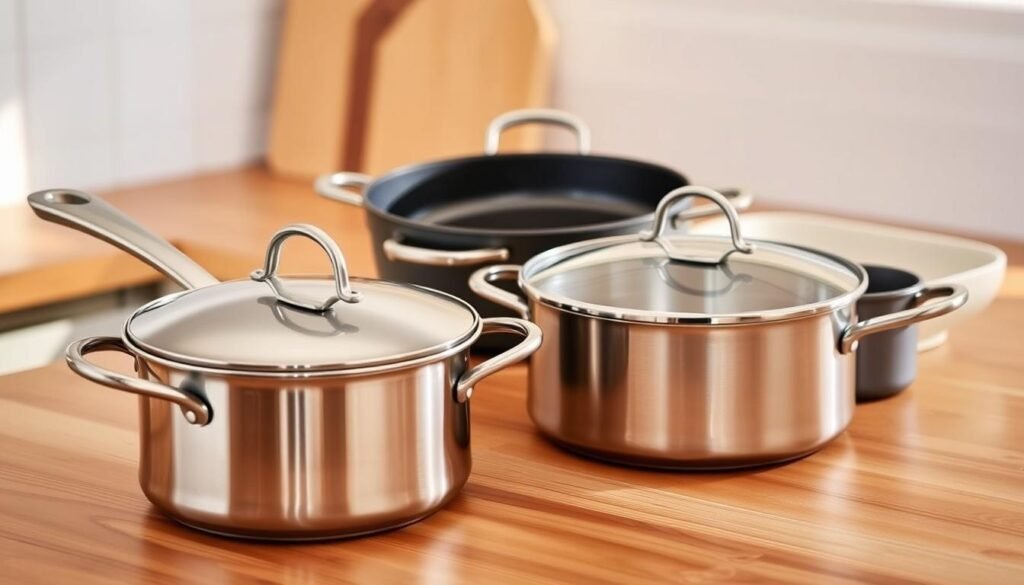
This Saucepan with Lid Buying Guide will help you choose the perfect cookware for your kitchen needs. A quality saucepan is one of the most versatile and essential pieces of kitchen equipment.
From making sauces and soups to cooking grains and pasta, the right saucepan transforms your cooking experience and delivers consistent results.
Why You’ll Love This Guide
- Complete Coverage – Everything you need to know about saucepan materials, sizes, and features.
- Expert Recommendations – Professional and budget-friendly brand suggestions for every kitchen.
- Practical Advice – Real-world tips for choosing the right size and maintaining your cookware.
- Money-Saving Tips – How to get the best value and avoid costly mistakes.
- Versatile Applications – Learn all the different ways to use your saucepan beyond basic cooking.
Understanding Saucepan Materials and Their Benefits
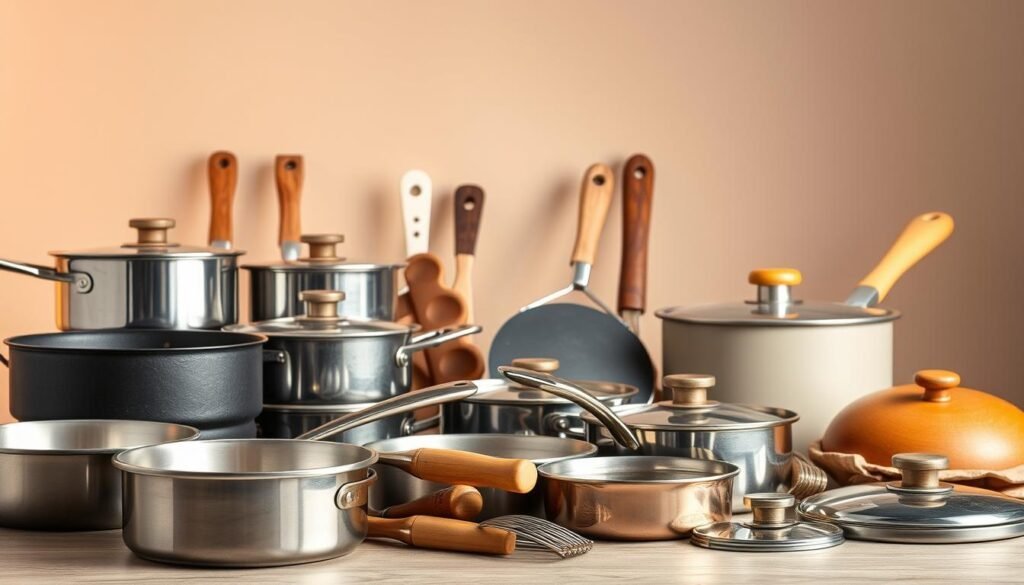
Choosing the right saucepan material affects how well the pan heats up and how easy it is to clean. Each material has its own benefits and drawbacks for different cooking styles.
Stainless Steel Saucepans
Stainless steel saucepans are known for being tough and not rusting. They don’t react with food, keeping flavors pure and are great for cooking acidic dishes.
They’re durable, dishwasher-safe, and work on all cooktop types including induction. The even heat distribution makes them perfect for sauces and reductions.
Nonstick Options
Nonstick saucepans make cooking and cleaning up easy. They’re perfect for delicate foods like eggs and custards that tend to stick.
The coating can wear off over time, so gentle care is needed. Avoid metal utensils and high heat to extend the nonstick surface life.
Copper Saucepans
Copper saucepans are loved by professional chefs for their superior heat conductivity. They allow precise temperature control for delicate cooking techniques.
They need regular maintenance to prevent tarnishing and require careful handling. The investment is worth it for serious home cooks.
Cast Iron Options
Cast iron and enameled cast iron saucepans excel at heat retention. They work well for both stovetop and oven cooking methods.
Enameled cast iron protects against rust and makes cleanup easier. Both types are excellent for slow-cooking dishes and braising.
Choosing the Right Material for Your Cooking Style
Consider how you cook most often when selecting your saucepan material.
- Frequent sauce-making: Choose stainless steel or copper for precise heat control.
- Easy cleanup priority: Nonstick or enameled cast iron work best.
- Long braising sessions: Cast iron retains heat beautifully for slow cooking.
Choosing the Right Size and Capacity
The saucepan size you choose depends on how many people you’re cooking for and the dishes you make most often. Getting the right capacity ensures efficient cooking and better results.
Small Saucepans (1-2 Quarts)
Small saucepans – Perfect for singles, couples, or small cooking tasks like heating milk or making individual portions.
Energy efficiency – Their compact size uses less energy and heats up quickly for small batches.
Medium Saucepans (2-3 Quarts)
Family standard – Ideal for families of three to four people with enough room for cooking pasta, soups, or vegetables.
Most versatile – This size handles the widest range of cooking tasks for average households.
Large Saucepans (3+ Quarts)
Batch cooking – Perfect for meal prep, entertaining guests, or cooking large quantities at once.
Multiple uses – Can double as a small stockpot for making broths or cooking for crowds.
Essential Features of a Quality Saucepan
A good saucepan should be both functional and comfortable to use. Look for these key features when shopping for your next piece of cookware.
Lid Design and Construction
Tight-fitting lids – Glass lids let you monitor cooking progress while stainless steel versions are more durable.
Handle integration – The lid handle should stay cool during cooking and be easy to grip safely.
Handle Construction
Heat resistance – Choose handles made from stainless steel or silicone that stay cool during stovetop use.
Ergonomic design – A comfortable grip reduces hand fatigue and provides better control while cooking.
Additional Features
Pouring spouts – Built-in spouts make serving soups or sauces cleaner and easier.
Measurement marks – Interior volume markings help with portioning and recipe accuracy.
Recommended Kitchen Gear
* As an Amazon Associate I earn from qualifying purchases at no extra cost to you.
Frequently Asked Questions
What is the best material for a saucepan?
The best material depends on your cooking needs. Stainless steel offers durability and scratch resistance while nonstick provides easy food release and cleanup. Copper saucepans provide excellent heat conductivity and cast iron excels at heat retention.
What size saucepan should I choose?
Small saucepans (1-2 quarts) work great for singles or small tasks. Medium saucepans (2-3 quarts) suit most families perfectly. Large saucepans (3+ quarts) are ideal for batch cooking or entertaining guests.
What features should I look for in a quality saucepan?
Look for a well-designed lid that fits tightly, a comfortable heat-resistant handle, and durable construction. Additional features like pouring spouts, straining capabilities, and balanced weight enhance usability and convenience.
How do I clean and maintain my saucepan?
Cleaning depends on the material. Use mild soap and water for stainless steel, avoid abrasive cleaners on nonstick surfaces, and dry cast iron thoroughly after washing with a light oil coating. Regular cleaning and proper storage extend your saucepan’s lifespan.
Can I use my saucepan for steaming or poaching?
Yes, a saucepan with a lid works perfectly for steaming, poaching, and other cooking techniques. The lid traps steam and heat, making it ideal for cooking delicate foods or preparing various dishes.
Are there specific brands known for quality saucepans?
Several brands offer excellent saucepans including All-Clad, Le Creuset, Cuisinart, Calphalon, T-fal, and Farberware. These brands provide options for different budgets and cooking needs.
How do I store my saucepan to prevent damage?
Store your saucepan in a dry place away from direct sunlight. Avoid stacking saucepans directly on top of each other to prevent scratching. Consider using a saucepan organizer or hanging your Saucepan with Lid from a hook to keep it safe and accessible.
Want to save this for later? Pin it!